
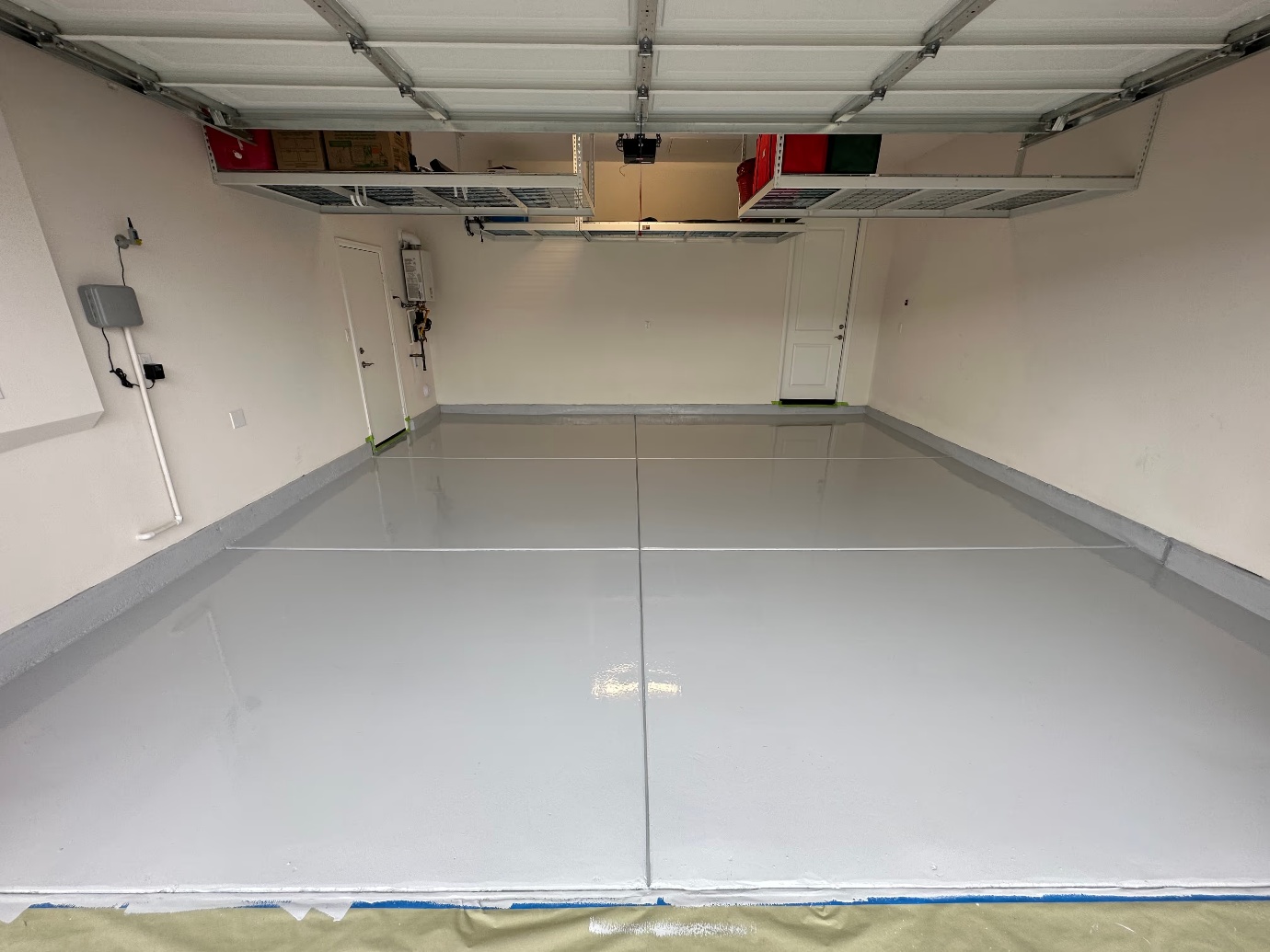

A garage, hobby room, home gym, or utility space can serve several purposes. Homeowners comparing residential epoxy flooring corona ca options should plan the floor around how the room is actually used, not just how it looks in a sample. Vehicle traffic, workout equipment, storage, spills, sunlight, and cleaning habits can all influence the right system.
Decorative resin flooring can make unfinished concrete feel more intentional while creating a surface that is easier to maintain than bare porous concrete. A strong project starts with the slab, then considers layout, finish, texture, and long-term use.
Start With the Room’s Main Job
Before choosing color, identify the activities that place the most demand on the floor. A garage used for parking needs to handle tires and road grit, while a home gym may see mats, weights, and frequent foot traffic.
For homeowners drawn to a more dramatic finish, metallic epoxy flooring corona ca can create flowing color movement and a distinctive appearance. That look may suit entertainment rooms, studios, or display-style garages, but the finish should still be selected around traffic and maintenance rather than visual impact alone.
Inspect the Concrete Before Designing the Finish
Cracks, pitting, old paint, oil stains, sealers, and previous repairs can affect both preparation and appearance. These conditions should be identified before the decorative system is finalized.
Mechanical grinding is commonly used to remove weak surface material and create a suitable profile for resin flooring. Once the slab is open, cracks and damaged areas can be repaired before primer or base coats are installed.
A floor with extensive patching may still perform well after preparation, but some repair history can remain visible depending on the finish. Setting expectations early helps avoid disappointment.
Choose the Finish Around the Space
Decorative flake, solid-color, and metallic systems each create a different feel. Flake blends can provide visual variation that helps disguise everyday dust and minor marks, while solid colors can create a cleaner, more uniform appearance.
Metallic systems are intentionally less predictable. Pigments move within the resin during application, so no two floors develop the same pattern. Samples are best used to choose a general color direction rather than predict every swirl.
Daylight through an open garage door can make a finish look different from overhead LEDs or warm interior lighting.
Plan Texture With Daily Use in Mind
A smooth, glossy surface may suit a dry interior room, while a garage entrance or utility area exposed to water may benefit from more traction.
Texture should not be added without considering cleaning. A heavily textured floor can hold more dirt and require extra effort to mop, while an overly smooth surface may not suit wet conditions.
The right balance depends on footwear, moisture exposure, and whether the room is used mainly for parking, exercise, projects, or entertaining.
Coordinate the Floor With Storage and Equipment
Cabinets, shelving, workbenches, and gym equipment can affect both installation access and the final layout. Planning these items before the coating project makes it easier to clear the slab completely.
Color selection should also account for what will remain in the room. Neutral finishes often work well with changing storage systems, while expressive colors can become part of a themed garage or hobby space.
Leaving some flexibility is useful because residential spaces often change purpose over time.
Allow Enough Time for Installation and Cure
The area generally needs to stay clear during grinding, repairs, coating application, and curing. Vehicles, heavy storage, and equipment may need temporary locations elsewhere.
Return-to-service times vary by system, temperature, and site conditions. Homeowners should follow the installer’s guidance for foot traffic, furniture, and vehicle use rather than assuming the floor is ready as soon as it feels dry.
Rushing heavy loads back onto a curing surface can damage an otherwise well-installed floor.
Keep Maintenance Straightforward
Routine sweeping or vacuuming helps remove grit that can act like an abrasive under shoes and tires. Spills are also easier to manage when cleaned promptly.
Cleaning products should be compatible with the installed coating. Strong chemicals are not automatically better for ordinary maintenance.
It is also useful to inspect high-traffic zones occasionally, especially near vehicle paths, entrances, workbenches, and heavy equipment.
Conclusion
A residential resin floor should support the way the room lives, not simply provide a decorative layer over concrete. Slab condition, preparation, finish style, texture, lighting, storage, curing, and maintenance all influence how successful the project becomes.
By planning around the room’s busiest activities and future uses, homeowners can create a surface that feels finished without losing practicality. The best flooring choice is one that continues to make sense when the space changes from parking area to workshop, gym, storage zone, or entertainment room.