
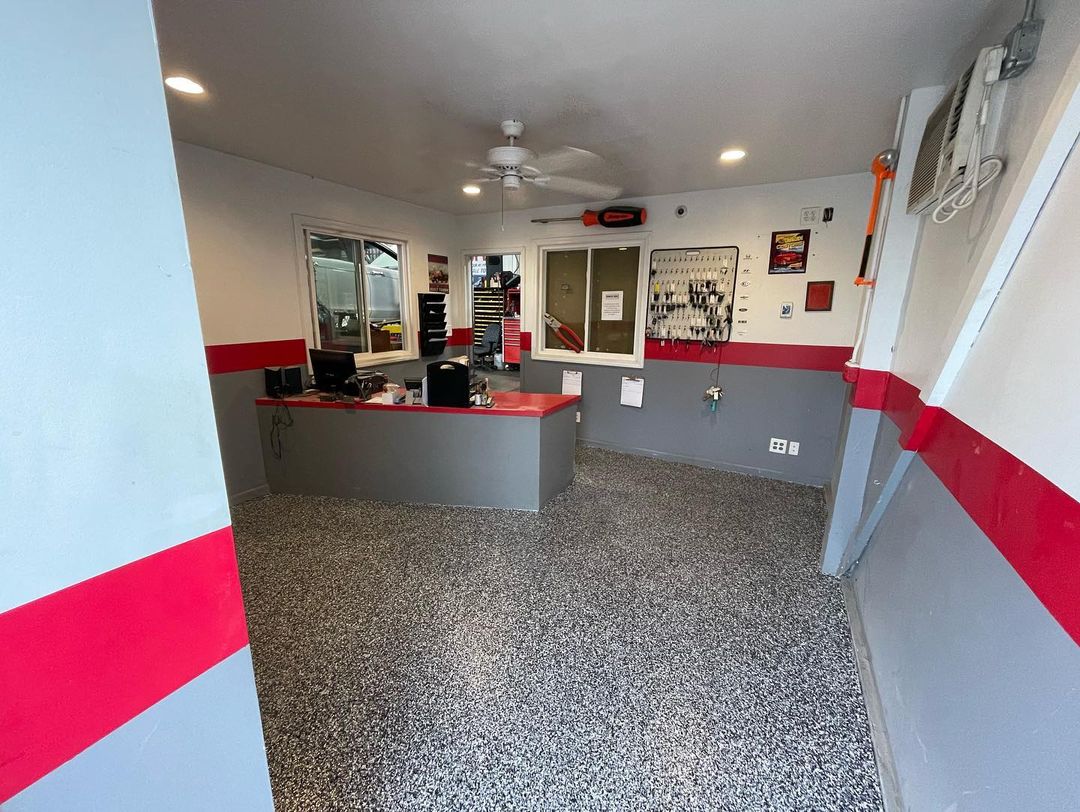

Commercial kitchens operate under demanding conditions every day. Floors must handle constant foot traffic, spills, moisture, heat, cleaning chemicals, dropped items, and heavy equipment. A flooring system that looks good but cannot handle these conditions may create maintenance problems later. For this reason, Cincinnati businesses should evaluate more than appearance when selecting a suitable kitchen floor. Durability, safety, sanitation, drainage, maintenance, and installation requirements all deserve attention before a final decision is made.
Understand the Kitchen Environment
Every commercial kitchen has its own operating conditions. A small restaurant kitchen may have different requirements from a large institutional kitchen, catering facility, or food production area.
Before choosing a flooring system, consider how much traffic the space receives and what types of equipment are regularly used. Areas around cooking stations, sinks, preparation counters, and storage zones may experience more moisture and spills than other sections.
Temperature changes should also be considered. Kitchens can contain both hot and cool areas, while frequent cleaning can expose flooring to water and cleaning products. These conditions can affect how a flooring system performs over time.
Prioritize Slip Resistance
Safety should be one of the main considerations when evaluating commercial kitchen flooring Cincinnati businesses plan to install. Water, grease, food particles, and cleaning solutions can make smooth surfaces difficult to walk on.
A suitable flooring system may include a textured or slip-resistant finish designed for the working environment. The level of texture should still allow the floor to be cleaned effectively because excessive surface roughness can sometimes make sanitation more difficult.
The right balance depends on the kitchen’s specific conditions. A flooring professional can help determine which surface profile is appropriate for the expected exposure and cleaning routine.
Consider Cleaning and Sanitation
Commercial kitchens need floors that can be cleaned regularly without excessive effort. Food debris, grease, liquids, and other contaminants should not have easy places to collect.
Seamless flooring systems can be useful in certain kitchen environments because they reduce the number of joints where dirt or moisture may accumulate. However, the complete flooring design matters, including transitions, drains, wall connections, and other details.
The cleaning process should also be considered before installation. Businesses should understand which cleaning products and methods are compatible with the selected flooring system.
Think About Heavy-Duty Requirements
Some commercial kitchens operate alongside storage rooms, loading areas, food preparation spaces, or equipment zones that experience heavier demands. In these situations, the floor may need to handle carts, machinery, impact, and concentrated loads.
This is where requirements can overlap with industrial flooring Cincinnati facilities may use. Industrial environments often demand flooring systems designed for higher traffic, equipment movement, and demanding operating conditions.
The floor should be selected according to actual use rather than simply choosing the strongest-looking material. Over-specifying a system can increase costs without providing meaningful benefits, while under-specifying can create maintenance concerns.
Prepare the Existing Concrete
The condition of the concrete underneath the flooring system is extremely important. Cracks, weak areas, contamination, moisture, and uneven sections may need to be addressed before installation.
Surface preparation can involve cleaning, mechanical preparation, repairs, or other steps depending on the condition of the substrate. Moisture should also be evaluated because excessive moisture can interfere with certain flooring systems.
A professional assessment before installation can identify problems early and help establish a more suitable installation plan.
Compare Long-Term Costs
Initial installation price is only one part of the overall cost. Businesses should also consider cleaning, repairs, downtime, expected service life, and future maintenance.
A flooring system that requires frequent repairs may become more expensive over time, even if its initial price was lower. Comparing systems based on their expected use and maintenance requirements provides a more useful picture of long-term value.
Conclusion
Choosing a commercial kitchen floor requires careful attention to the conditions inside the facility. Cincinnati businesses should consider slip resistance, sanitation, moisture, cleaning routines, traffic, equipment, substrate condition, and long-term maintenance before selecting a system. Commercial kitchen flooring Cincinnati projects should be planned around the actual demands of the workspace rather than appearance alone. For areas facing heavier industrial conditions, industrial flooring Cincinnati businesses use may offer suitable performance when properly selected and installed. A careful assessment can help create a safer and more practical working environment.