

Table of Contents
- Introduction
- Spring Cleanups: Revitalize Your Yard
- Summer Maintenance: Keeping Growth in Check
- Fall Preparations: Setting the Stage for Winter
- Winter Care: Protecting Your Landscape
- Preventing Pests and Diseases
- Enhancing Soil Health
- Boosting Curb Appeal
- Conclusion
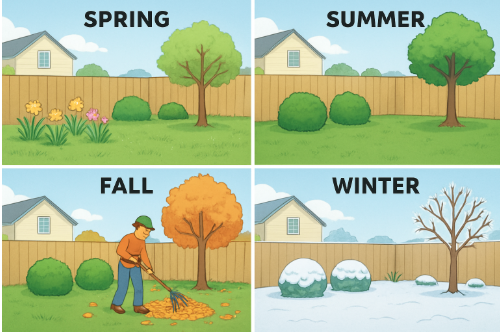
Creating a healthy landscape requires a seasonal approach to yard maintenance, including timely yard chores to prevent disease, manage pests, and enhance plant health. Each season presents specific tasks: spring for debris clearance, summer for growth management, fall for dormancy preparation—making services like fall cleanup Pittsburgh PA, especially valuable—and winter for stress mitigation. Regular seasonal care enhances aesthetic appeal, boosts property value, and supports environmental sustainability by promoting biodiversity and minimizing chemical use, ultimately creating a resilient outdoor space. By staying consistent with these seasonal tasks, homeowners can prevent costly repairs and maintain a vibrant, thriving yard throughout the year. Investing in professional guidance or services ensures that every aspect of your landscape receives expert attention, maximizing both beauty and long-term health.
Spring Cleanups: Revitalize Your Yard
Spring cleanup is essential for reviving your yard after winter’s damage. Remove litter and debris to improve sunlight and air circulation for lawns and garden beds. Prune damaged branches from trees and shrubs to promote new growth. Define garden bed edges and apply fresh mulch to enhance aesthetics, conserve moisture, and thwart weeds. This cleanup minimizes disease risk and sets the landscape up for a healthy growing season. For further guidance on spring yard preparation, resources such as The Old Farmer’s Almanac’s spring yard cleanup checklist offer detailed advice. You can also take this time to assess your lawn for bare or compacted areas and address them with reseeding or light aeration as needed. Early attention to these issues promotes thicker turf and reduces problems later in the season. A thorough spring cleanup sets the foundation for a vibrant, resilient landscape that can better withstand heat, pests, and seasonal stress.
Summer Maintenance: Keeping Growth in Check
As the temperature rises, so does the pace of plant growth. Without regular attention, your landscape can quickly appear unruly and overgrown. Effective summer maintenance involves deadheading spent flowers to encourage continuous blooming, carefully trimming back hedges and shrubs, and persistently tackling weeds to prevent them from spreading. This is also the time to stay vigilant against pests and diseases, which can take hold rapidly in the warm weather.
Consistent summer cleanups ensure your outdoor space remains healthy and beautiful. By removing dead material and shaping your landscape features, you’ll allow beneficial sunlight and airflow to reach your plants’ roots, increasing their resilience to heat and drought.
Fall Preparations: Setting the Stage for Winter
Fall cleanups are critical for preparing your landscape for winter’s challenges. Begin by raking up fallen leaves, which can quickly smother grass and invite mold growth. Cutting back perennials and trimming back ornamental grasses curbs disease risk and primes your plants for robust spring growth. It’s also wise to add a protective layer of mulch, shielding plant roots from freeze-thaw cycles.
Preparing irrigation systems for winter is another essential fall chore. Draining pipes and sprinklers helps prevent costly damage from freezing. By addressing these needs, you increase your landscape’s chances of winter survival and ensure it springs back to life when the weather warms.
Winter Care: Protecting Your Landscape
Though growth slows during winter, your yard still requires some care. Snow and ice accumulation put immense stress on trees and shrubs, making them vulnerable to breakage. Carefully shake snow from branches after storms, and watch for ice buildup that can damage both plants and hardscape features. Evergreens, in particular, benefit from anti-desiccant sprays that help reduce moisture loss during cold, dry spells.
With a few thoughtful precautions, you’ll set your yard up for a healthier reawakening come spring.
Preventing Pests and Diseases
Neglected yards are hotspots for pests and plant diseases. By removing leaf litter and debris that provide hiding places and food sources, you drastically reduce the risks. Prune away diseased or damaged growth promptly, and encourage good air flow through your garden to curb fungal problems. Routine seasonal cleanups thus function as the first line of defense, helping keep landscapes both beautiful and structurally sound.
Enhancing Soil Health
Healthy, fertile soil supports robust plant growth and vibrant blooms. Seasonal cleanups can greatly improve soil conditions by incorporating organic materials through regular mulching and composting. Removing heavy debris helps prevent compaction, and periodic soil aeration ensures plant roots get enough oxygen. Clearing acidic leaf litter also helps stabilize soil pH, creating ideal growing conditions for a variety of plants.
Boosting Curb Appeal
First impressions matter, and a clean, well-maintained landscape elevates your home’s curb appeal. Routine seasonal cleanups keep lawns, walkways, and planting beds tidy and inviting while drawing attention to key architectural or natural features. Maintaining your property also contributes to its value and makes it more attractive to potential buyers or guests. Investing in regular landscape upkeep not only creates a welcoming environment but also delivers long-term benefits to property value and neighborhood pride.
Conclusion
Consistent seasonal yard cleanups are a vital investment in the health, beauty, and value of your landscape. By addressing the specific needs and threats of each season, you lay the groundwork for vigorous growth, minimize trouble with pests and diseases, and ensure your property looks its best all year. Beyond aesthetics, these practices cultivate a sustainable and robust ecosystem right outside your door, allowing you to enjoy the benefits of a thriving landscape year after year.