
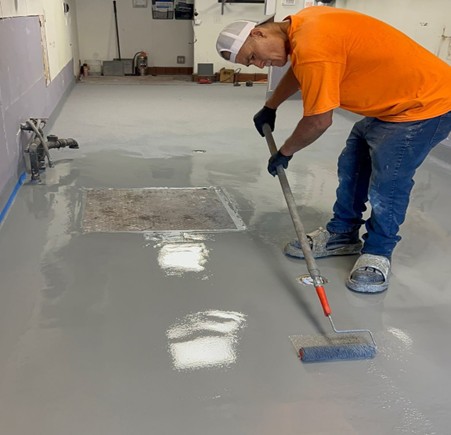

It is a constant challenge for the moisture, chemicals and heavy movement that occur in factories, warehouses and commercial kitchens every day, as well as sudden temperature changes. These harsh conditions cause cracks in ordinary concrete surfaces quickly and make it hard to maintain the surfaces properly afterwards. This is exactly where Polyurethane Cement systems become useful because they create a dense, durable layer that handles demanding industrial environments without unnecessary maintenance complications later.
Strong Flooring Materials Often Reduce Long-Term Repair Problems
Many business owners ignore flooring quality during construction and later spend larger amounts fixing damaged surfaces repeatedly throughout the year. An abnormally high level of protection of concrete from abrasion, stains, impact pressure and chemical exposure is typically provided by a professionally installed Epoxy Flooring system, compared to the protection that will be provided by an untreated concrete floor surface. These coatings also help to minimise dust generation within the house, leading to enhanced cleanliness within the production equipment and storage facilities over the length of the production run.
Moisture Resistance Becomes Important Inside Food Processing Facilities
Food production plants and beverage industries usually require flooring materials that remain hygienic while handling moisture and cleaning chemicals regularly. Polyurethane Cement coatings perform especially well inside these spaces because they tolerate thermal shock better than many standard resin flooring materials available today. Hot water washdowns, steam exposure, and slippery conditions create fewer problems when durable flooring systems are installed carefully by experienced professionals from the beginning.
Surface Appearance Also Influences Workplace Functionality and Safety
Industrial flooring is not only about strength, because surface visibility and safety conditions matter equally during everyday operations. Properly finished Epoxy Flooring can improve brightness levels indoors by reflecting available light more efficiently across large workspaces. This small detail often helps workers identify spills, pathways, and machinery areas much faster. Anti-slip textures may also be added where operational safety becomes a priority for busy industrial environments.
Choosing Flooring Systems Depends on Operational Requirements and Traffic
Each industrial facility is unique, and there is no one-size-fits-all solution for floor selection, so appearance and initial floor costs should not be the only factors considered. In other cases, such as forklift movement within warehouses, polyurethane with commercial-grade coatings will provide a stronger floor shape that is durable, hygienic and easily manipulated day to day in the shop environment. It also strikes a balance between retention and performance, apart from all the superfluous configuration complexity later on.
Professional Installation Usually Impacts Performance More Than Expected
Even high-quality flooring products may fail earlier when installation preparation gets rushed, or moisture conditions remain unchecked underneath concrete surfaces. Floor grinding, crack repair, surface profiling, and curing times all influence final coating performance significantly after installation finishes. Reliable contractors generally inspect environmental conditions carefully before applying Epoxy Flooring systems because proper adhesion directly affects long-term durability and overall floor stability inside demanding industrial workplaces.
Conclusion
Modern industrial flooring requires practical materials that balance strength, hygiene, durability, and manageable maintenance without creating additional operational problems later. If you are looking for an informative source on how to find and use a reliable flooring system, you can find more details on rhynopoxycoatings.com about commercial coating systems and industrial surface solutions. With proper installation, Polyurethane Cement and Epoxy Flooring systems can provide a dependable service for many productive years in manufacturing plants, warehouses and processing units, in health care facilities, and in industrial office buildings.