
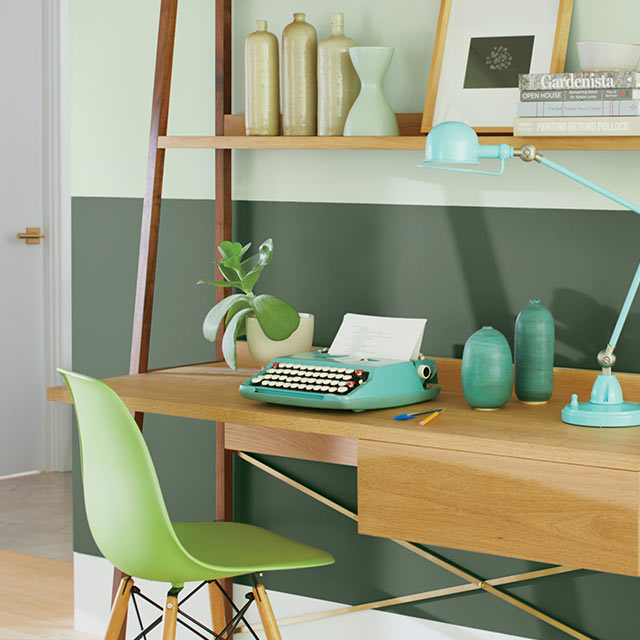

Color isn’t just decoration—it’s a powerful psychological force that influences mood, energy, productivity, and even physical wellbeing. Walk into a vibrant, colorful office and you feel energized. Enter a drab, gray space and your spirits immediately sink. Understanding color psychology helps you create work environments that actively support your team’s success.
Whether you’re furnishing a new office or refreshing an existing space with used office furniture, color choices deserve serious consideration alongside functionality and budget.
How Color Affects Our Brains
Colors trigger physiological responses in our bodies. Red increases heart rate and alertness—great for tasks requiring physical energy but potentially overwhelming for concentration work. Blue lowers blood pressure and promotes calm, making it ideal for stress-heavy roles.
These reactions aren’t just psychological—they’re measurable physical changes. Researchers studying workplace color have documented differences in productivity, error rates, and employee satisfaction based purely on color choices.
Blue: The Productivity Powerhouse
Blue is the most productive color for intellectual work. It enhances focus, promotes clear thinking, and helps maintain concentration during complex tasks. Accountants, programmers, analysts, and anyone doing detailed work benefits from blue environments.
Lighter blues create calm without being sedating. They work well in high-stress environments where people need to stay composed under pressure. Darker blues convey professionalism and trustworthiness—ideal for client-facing areas.
Too much blue can feel cold or impersonal. Balance blue furniture or walls with warm accent colors to create spaces that feel both professional and welcoming. Understanding color theory in workplace design provides deeper insights into effective combinations.
Green: Nature’s Balance
Green represents balance and reduces eye strain—particularly important in screen-heavy work environments. It’s the easiest color for eyes to process, making it naturally restful without being soporific.
This color promotes harmony and reduces anxiety. Employees in customer service, healthcare, or other emotionally demanding roles benefit from green’s calming effects.
Green also stimulates creativity and innovation, making it excellent for design studios, marketing departments, or anywhere fresh thinking is valued.
Yellow: Energy and Optimism
Yellow stimulates mental activity and generates enthusiasm. It’s perfect for creative spaces, brainstorming rooms, and areas where you want to spark innovation and positive energy.
This warm, cheerful color lifts moods and combats the dreariness of windowless spaces. A touch of yellow in break rooms or common areas creates welcoming environments.
Use yellow carefully—too much becomes overwhelming and can trigger anxiety. Yellow works best as an accent color that adds energy without dominating the palette.
Red: Power and Urgency
Red raises heart rate, increases respiration, and heightens alertness. It’s energizing and passionate, making it suitable for areas requiring physical activity or intense focus for short bursts.
This bold color works in gyms, sales floors, or anywhere high energy is desired. However, red can also increase stress and should be used sparingly in spaces where people need to maintain calm.
Neutral Tones: The Foundation
Gray, beige, and white provide professional, clean backdrops that allow other colors to shine. However, too much gray or beige creates depressing, unmotivating spaces.
Use neutrals as your base, then layer in colors through furniture, artwork, and accessories. This approach provides flexibility—accent colors can be changed relatively easily as needs evolve. Researching office color scheme inspiration shows how to use neutrals effectively with strategic color accents.
Creating Zones Through Color
Different work areas benefit from different color schemes. Private offices where detailed work happens might feature calming blues or greens. Collaborative spaces could incorporate energizing yellows or oranges.
Color coding helps employees subconsciously understand a space’s purpose. Walking into a blue-green quiet room signals “focus time” while entering an orange-yellow collaboration zone says “energy and interaction.”
Your Brand Colors in the Mix
Incorporating brand colors throughout your office reinforces company identity. However, consider whether your brand colors support productivity before painting everything in them.
Artwork, accessories, and accent furniture provide opportunities to feature brand colors without overwhelming workspaces.
Lighting Affects Color Perception
Colors look dramatically different under various lighting conditions. Test furniture and paint colors under the actual lighting in your space before committing.
Natural light is the gold standard—colors appear truest and most vibrant. Maximize windows and skylights wherever possible.
Budget-Friendly Color Updates
Repainting is relatively inexpensive compared to most office renovations. New paint colors can completely transform spaces without major furniture replacement.
Colorful accessories—throw pillows, artwork, plants in colored pots—add personality and warmth at minimal cost.
The Bottom Line on Color
Color is free—using it thoughtfully costs no more than using it thoughtlessly. Yet the impact on employee wellbeing, productivity, and satisfaction is substantial.
Start by identifying what types of work happen in each area, then choose colors supporting those activities. Balance bold choices with neutrals, incorporate natural elements, and always consider lighting’s effect on your final selections.
Your office colors communicate constantly—about your company, your values, and how much you care about employee experience.